
Home > Treatments > Vascular Lesions
Vascular lesions are a broad category of skin concerns caused by visible or abnormal blood vessels near the skin’s surface. They are common, largely benign, and in many cases respond well to laser and light-based treatments when correctly identified and managed.
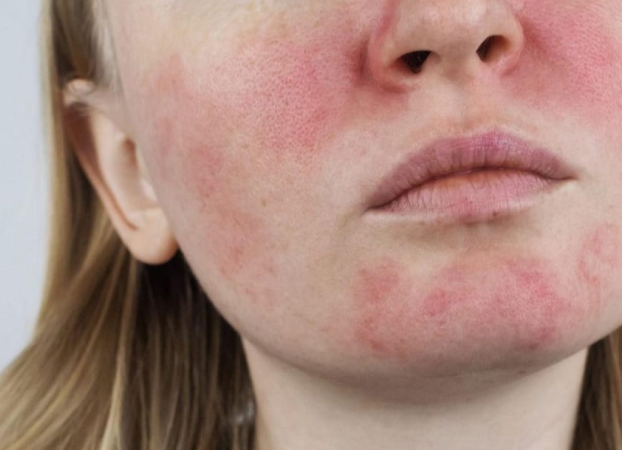
Vascular lesions include a range of presentations: telangiectasia (fine broken capillaries on the face or legs), generalised facial redness or rosacea-associated flushing, port wine stains, and leg thread veins. The underlying mechanism in each case involves blood vessels that have become dilated, malformed, or abnormally prominent.
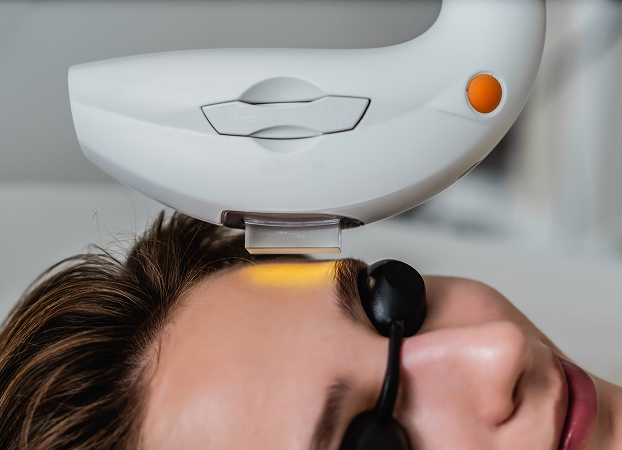
A specialised yellow laser (577nm) that is highly absorbed by haemoglobin, making it particularly effective for superficial vascular lesions including fine telangiectasia, facial redness, and port wine stains. The yellow wavelength is especially well-tolerated and suitable for delicate facial areas.
Dr Ang will assess the type, depth, and distribution of your vascular lesions before recommending the most appropriate treatment or combination. Some patients experience transient redness or mild bruising following treatment; this settles within a few days. Multiple sessions are generally required for significant clearance, and Dr Ang will advise on realistic expectations based on your specific presentation.
Dermatological surgery performed by a specialist offers distinct advantages: