
Home > Conditions > Milia
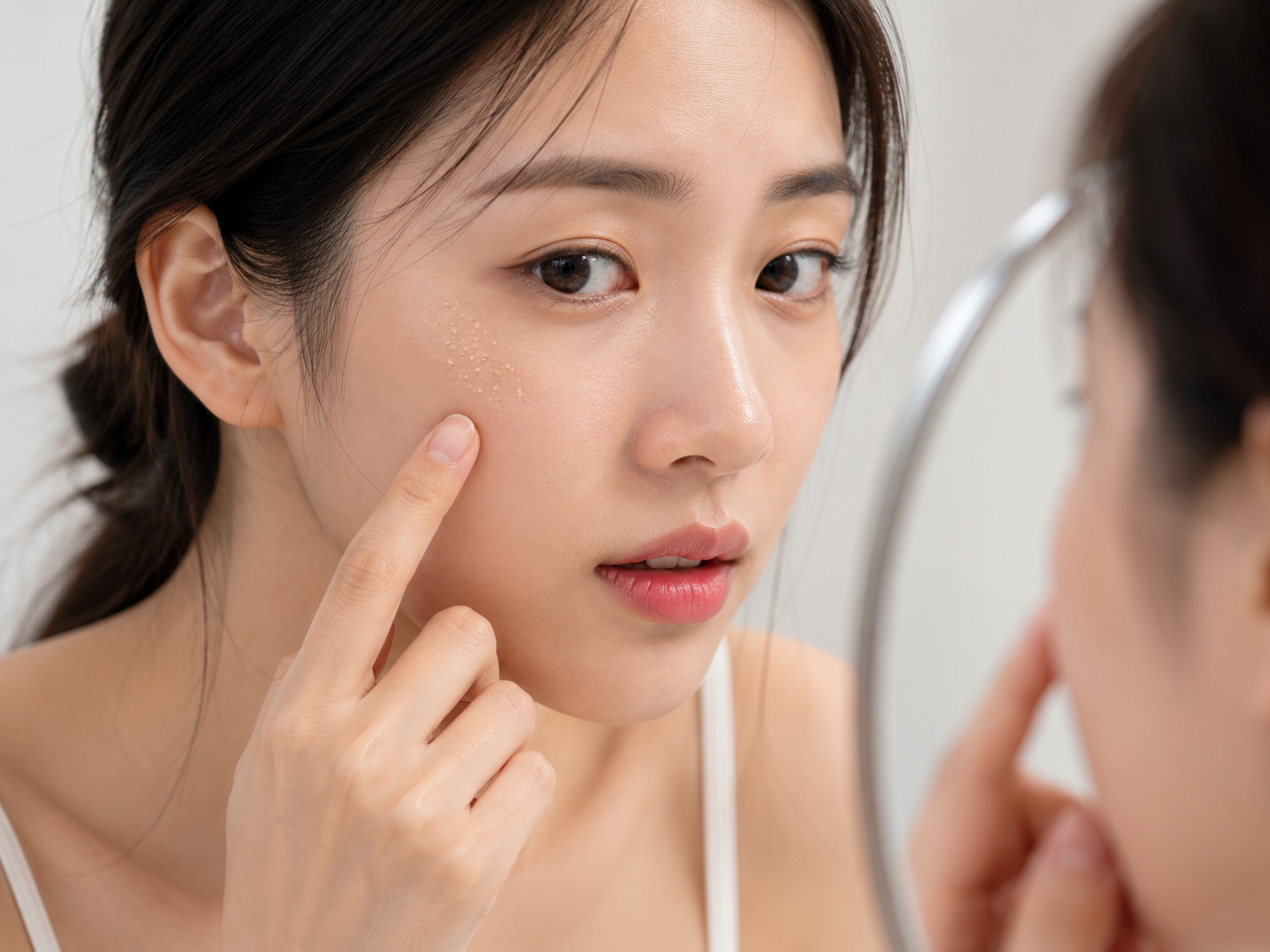
Milia are small, white or yellowish cysts that form just beneath the skin surface. They are filled with keratin – a protein naturally produced by the skin – and appear as firm, pearly bumps, typically around the eyes, cheeks, and nose. While they are entirely harmless, they are also persistent: unlike spots or whiteheads, milia do not resolve on their own and cannot be cleared with standard skincare products.
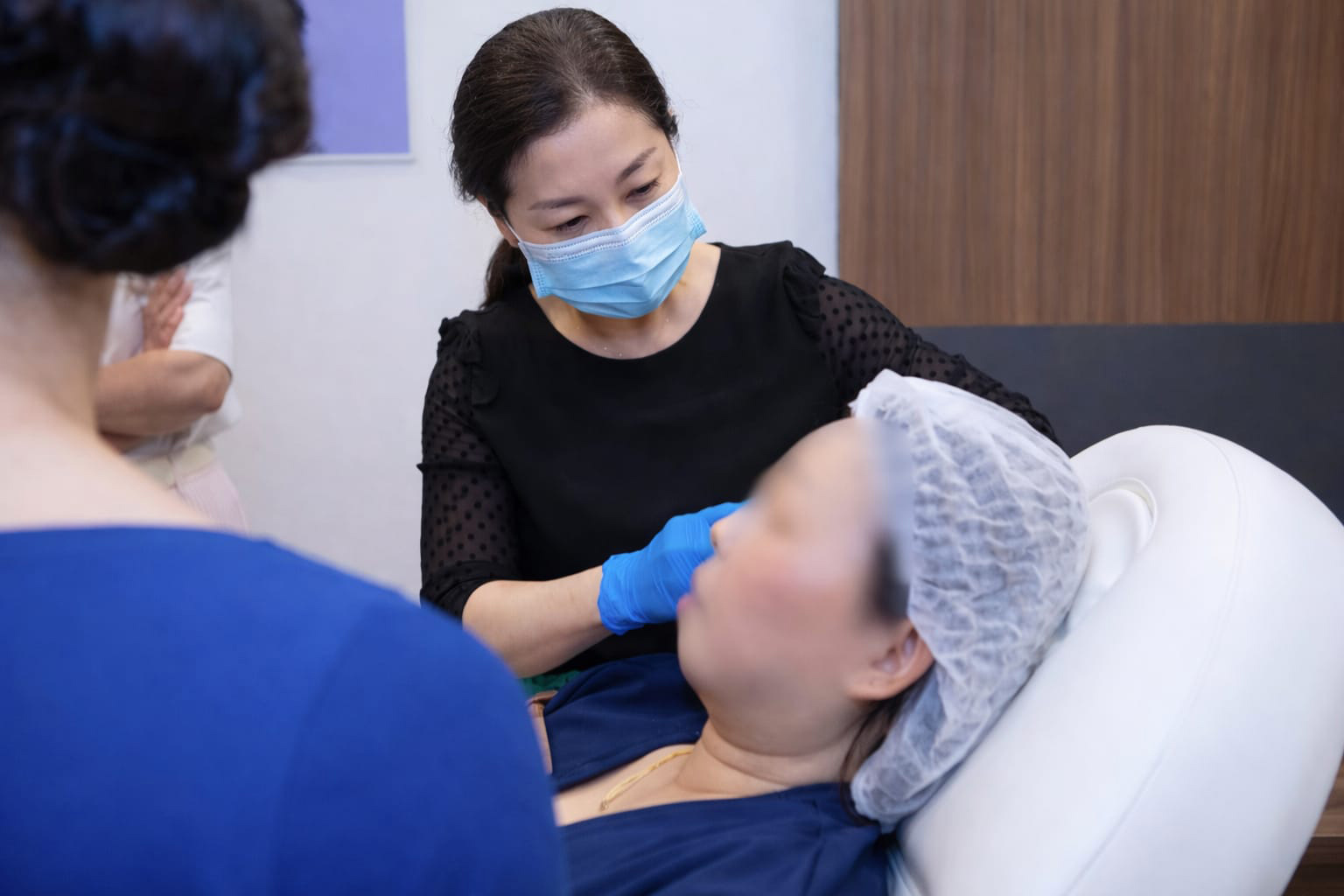
At Skincodes, Dr Ang Sue-May assesses the type and distribution of milia before recommending the most appropriate removal approach for your skin.
Small, firm, white or cream-coloured cysts, typically 1-2mm in diameter
Most commonly found around the eyelids, under-eye area, cheeks, and nose
No pain, inflammation, or surrounding redness in primary milia
Cysts that persist for months or years without change
Secondary milia may appear at sites of previous skin trauma, blistering, or chronic sun damage
Milia are categorised as either primary or secondary.
Form spontaneously when keratin becomes trapped within small pockets of skin. They are particularly common in newborns but also affect adults – frequently around the delicate periorbital area.
Develop as a result of skin injury or disruption. They can arise following burns, blistering conditions, dermabrasion, prolonged use of occlusive topical products, or certain skin diseases that affect the superficial layers of the skin.
Thicker or richer skincare products – particularly those applied heavily around the eyes – can contribute to milia formation in predisposed individuals.
Milia do not respond to squeezing or home extraction attempts. The keratin contents are encased within a cyst wall, meaning the lesion cannot be expressed in the same way as a conventional spot. Attempting to do so risks scarring and skin damage without resolving the underlying cyst.
Using a fine lancet or needle to puncture the cyst wall and carefully remove the contents. This requires precision, particularly around the periorbital area, and should always be performed by a trained clinician.
Ablative laser can be used to precisely target and remove milia, particularly where there are multiple lesions or those in sensitive areas.
A precise, minimally invasive procedure using a fine heated probe to rupture and remove milia. The controlled thermal energy breaks down keratin-filled cysts while sealing vessels to minimise bleeding. Performed under local anaesthesia, it offers immediate clearance with minimal downtime – tiny scabs typically heal within 5 to 7 days. Ideal for stubborn, deep-seated milia unresponsive to topical treatments.
Dermatological surgery performed by a specialist offers distinct advantages: