Home > Treatments > Pigmentation Treatment
Pigmentation Treatment Singapore
Pigmentation is uneven or excess melanin in the skin. It comes from sun, hormones, inflammation, or a combination, and the cause decides the treatment.
Melasma, sun spots, post-inflammatory marks and general unevenness can look similar and behave completely differently. Using the wrong laser on melasma leaves it darker than it started.
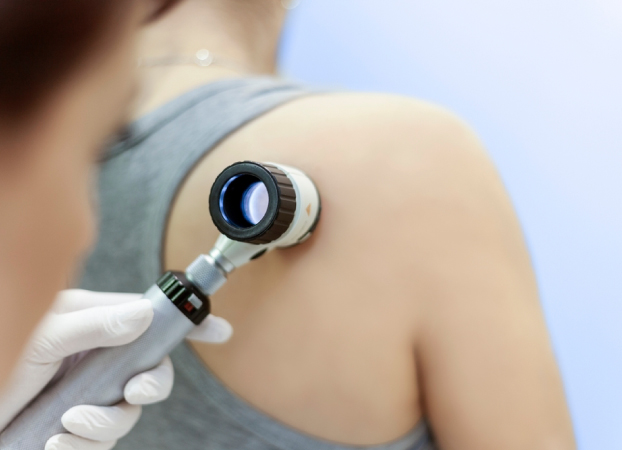
Dr Ang Sue-May types the pigmentation before choosing anything, using a Wood’s lamp where the depth is not obvious.
Pigmentation Treatments at Skincodes
Skincodes offers a targeted combination of evidence-based treatments for different types of pigmentation concerns.
Pico Laser (Deka Toro)
Combines 785nm picosecond with 1064nm and 532nm nanosecond wavelengths to break down excess pigment at different skin depths. Used for melasma, post-inflammatory hyperpigmentation, and uneven skin tone.
More about pico laser at Pico Laser
Yellow light laser (585nm)
Targets vascular components that contribute to facial redness and pigmentary disorders, helping improve diffuse redness and uneven skin tone associated with pigmentation conditions.
Hyaluronic Acid Skin Booster Fillers (CPM Technology)
An advanced hyaluronic acid delivery system that supports deep skin hydration and quality at the dermal level, improving luminosity and suppleness over time.
Chemical Peels
Selected peels encourage accelerated cell turnover, helping to fade superficial pigmentation and refine skin texture.
Why Diagnosis Matters
Pigmentation that looks similar on the surface can have very different causes. Treating melasma with aggressive laser settings, for example, risks rebound hyperpigmentation. Dr Ang conducts a detailed assessment – including Wood’s lamp examination where appropriate – to classify the pigmentation type before recommending treatment. Sun protection and a structured skincare regimen are integral to any treatment plan.

What to Expect at Skincodes
Treatment is typically delivered across a series of sessions, with intervals that allow the skin to respond and recover. Progress is gradual, and maintenance is often required, particularly for melasma. Dr Ang will guide you through realistic expectations at your initial consultation.
What affects how long it takes
How deep the pigment sits. Epidermal pigment lifts faster than dermal. Mixed pigmentation takes the longest and often needs more than one approach.
What holds the result
Sun protection. Pigmentation returns with UV, heat and visible light, and in Singapore you get all three year round.
Related at Skincodes
Common Questions About Pigmentation Treatment
Which pigmentation type do I have?
That is what the consultation establishes. Melasma is symmetrical and hormone-driven. Sun spots are defined and appear with cumulative sun. Post-inflammatory marks follow acne or injury. Freckles darken in the sun and fade out of it.
Can laser make pigmentation worse?
Yes, particularly with melasma and in deeper skin tones. Too much energy triggers post-inflammatory hyperpigmentation, which leaves the skin darker than before treatment. This is why the pigment gets typed first.
How many sessions will I need?
It depends on the type and the depth. Surface pigment clears faster than deeper pigment. Dr Ang gives a realistic course at the first consultation.
Will it come back?
Sun spots and freckles come back with sun exposure. Melasma relapses on its own and needs maintenance. Post-inflammatory marks usually do not return unless the original inflammation does.
Do brightening creams from the pharmacy work?
They help with mild surface pigmentation. They rarely reach dermal pigment, and some contain ingredients that irritate the skin enough to cause more pigmentation than they clear.
Does sunscreen actually matter?
More than any single treatment. Without daily broad-spectrum protection, pigmentation treatment produces short-lived results at best.
Start Your Consultation Today
Seeking specialist dermatology care with clear guidance and a treatment plan built around your skin?
Our team is here to support you.