Home > Conditions > Vitiligo
Vitiligo Treatment Singapore
Vitiligo Treatment Singapore
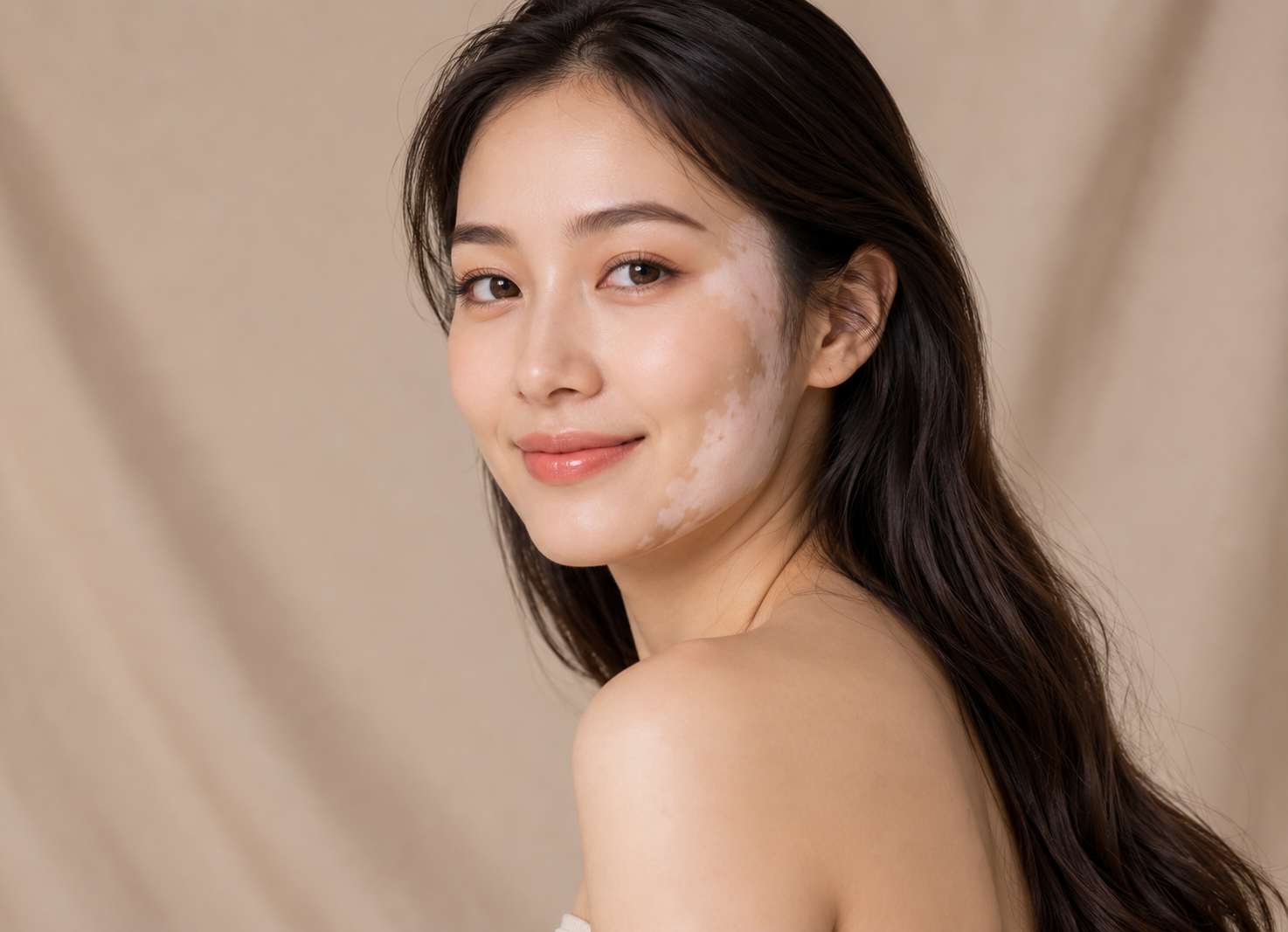
Vitiligo is an autoimmune condition characterised by the loss of melanocytes – the cells that produce skin pigment – resulting in well-defined white patches on the skin. It affects approximately 1% of the population worldwide and can develop at any age, though onset is most common before age 30. Beyond the physical changes, vitiligo can have profound psychological and social impacts, making compassionate, comprehensive care essential.
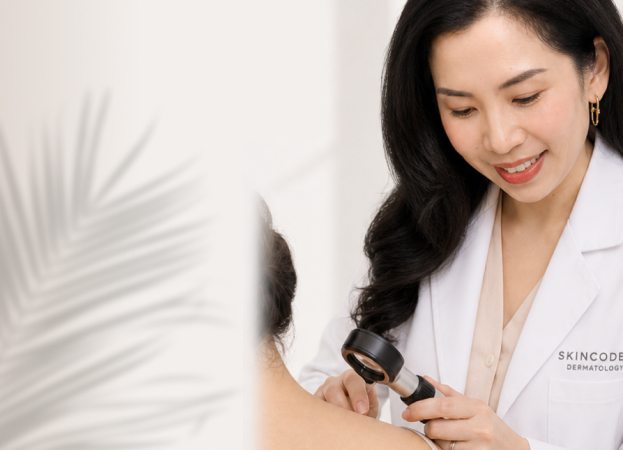
At Skincodes, Dr Ang Sue-May provides specialist assessment and individualised treatment for vitiligo, combining established therapies with emerging approaches to help patients manage this challenging condition.

Understanding Vitiligo
Vitiligo is fundamentally an autoimmune disorder in which the body’s immune system mistakenly attacks and destroys melanocytes. This loss of pigment cells results in depigmented patches that are particularly noticeable in individuals with darker skin tones, though it affects all skin types.
Types of Vitiligo
- Non-segmental vitiligo – The most common form; patchy distribution, often symmetrical, with unpredictable progression
- Segmental vitiligo – Affects one side of the body in a dermatomal pattern; typically has an earlier onset and more stable course
- Universal vitiligo – Extensive involvement affecting most of the body surface
- Focal vitiligo – Limited to one or a few areas without spreading
- Acrofacial vitiligo – Affects fingers, toes, and facial orifices (lips, nostrils)

Associated Conditions
Vitiligo is associated with other autoimmune conditions:
- Thyroid disease – Both hyperthyroidism and hypothyroidism
- Type 1 diabetes – Autoimmune destruction of pancreatic cells
- Pernicious anaemia – Autoimmune gastritis affecting B12 absorption
Addison's disease - Adrenal insufficiency
Alopecia areata – Autoimmune hair loss

Signs & Symptoms
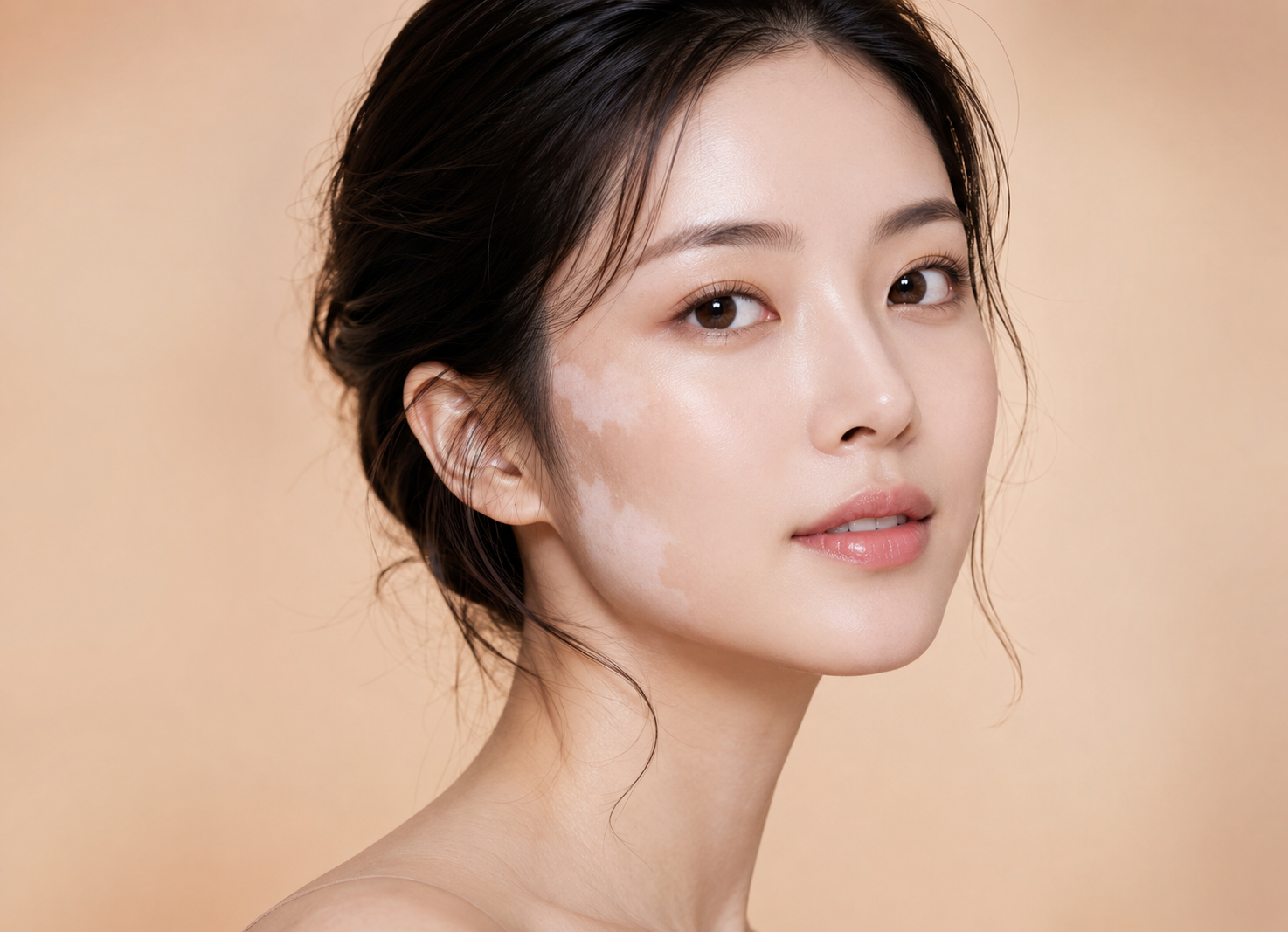
- Depigmented patches – Well-defined white macules or patches with a sharp border
- Distribution – Can affect any body area; commonly involves face, hands, feet, body folds, and sites of trauma
- Koebner phenomenon – New lesions developing at sites of skin injury (cuts, scratches, friction)
- Premature greying – Whitening of hair, eyebrows, eyelashes, or beard
- Mucosal involvement – Depigmentation of lips or genital mucosa
- Photosensitivity – Affected areas burn more easily due to lack of melanin protection
Causes & Contributing Factors
Autoimmune Mechanism
The primary driver of vitiligo is autoimmune destruction of melanocytes. Genetic studies have identified multiple genes associated with immune regulation that increase susceptibility.
Genetic Factors
Approximately 30% of patients have a family history of vitiligo or other autoimmune conditions. Multiple genetic variants contribute to overall risk.
Triggers
Stress – Physical or emotional stress may trigger onset or progression
Sunburn – Severe sunburn can initiate the Koebner response
Chemical exposure – Certain phenolic compounds may trigger vitiligo in susceptible individuals
Hormonal changes – Puberty, pregnancy, and menopause may influence disease activity
Why Specialist Care Matters
Vitiligo management requires expertise in:
- Accurate diagnosis – Distinguishing vitiligo from other depigmenting conditions
Assessment of activity – Determining whether the disease is stable or active - Treatment selection – Matching therapy to disease extent, location, and activity
- Screening for associated conditions – Particularly thyroid disease
- Psychological support – Addressing the significant emotional impact
- Realistic counselling – Setting appropriate expectations for treatment outcomes
Treatment at Skincodes
Topical Therapies
For limited disease, topical treatments are first-line:
- Topical corticosteroids – Anti-inflammatory effect to suppress immune attack on melanocytes
- Topical calcineurin inhibitors – Tacrolimus and pimecrolimus, particularly useful for facial lesions and avoiding steroid side effects
- Topical vitamin D analogues – Often used in combination with other therapies
- Depigmenting agents – For extensive disease, removing remaining pigment to achieve uniform skin tone
Phototherapy
Light-based treatment is a cornerstone of vitiligo management:
- Narrowband UVB – The most effective and widely used phototherapy for vitiligo
- Excimer laser – Targeted UVB delivery for localised disease
- PUVA – Psoralen plus UVA, less commonly used now due to side effect profile
- Phototherapy works by stimulating residual melanocytes, reducing inflammation, and promoting repigmentation from hair follicle reservoirs. Treatment typically requires twice-weekly sessions for several months
Systemic Therapies for rapidly progressive or extensive disease
Mini-pulse corticosteroids – Low-dose oral steroids to halt progression during active phases
Systemic immunomodulators – For severe, treatment-resistant cases
Emerging and Advanced Therapies
JAK inhibitors – Promising new oral and topical agents targeting specific immune pathways
Afamelanotide – Melanocyte-stimulating hormone analogue enhancing phototherapy response
Surgical approaches – Melanocyte transplantation for stable, localised disease unresponsive to medical therapy
Cosmetic Camouflage
While medical treatments take effect, cosmetic options help patients feel more confident:
- Self-tanning products – Dihydroxyacetone (DHA) preparations
- High-coverage concealers – Waterproof, long-lasting formulations
- Micropigmentation – Medical tattooing for selected areas such as lips
Management Approach
Dr Ang's approach encompasses
Staging assessment – Determining disease activity and stability
Extent evaluation – Calculating body surface area affected
Treatment stratification – Matching therapy to disease characteristics
Monitoring response – Regular assessment of repigmentation
Associated condition screening – Thyroid function and other relevant tests
Psychological support – Referral to counselling or support groups when appropriate
Prognosis and Expectations
Vitiligo is a chronic condition with variable course:
- Spontaneous repigmentation – Occurs in some cases, particularly with sun exposure
- Treatment response – Facial lesions respond best; hands and feet most resistant
- Stability – Some patients achieve long-term stability; others experience continued progression
- Recurrence – Even successful repigmentation can be lost
- Dr Ang provides honest counselling about realistic outcomes, emphasising that whilst vitiligo cannot currently be cured, significant improvement is achievable for many patients, and ongoing research continues to yield new therapeutic options.
Why Choose Specialist Surgical Care
Dermatological surgery performed by a specialist offers distinct advantages:
- Accurate pre-surgical diagnosis with dermoscopy. Lesions are assessed carefully as appearances can be
misleading without specialist evaluation - Appropriate margin assessment for cancer excisions based on lesion type and guidelines
- Histological analysis of all removed tissue to confirm diagnosis and clear margins
- Minimally invasive techniques selected to optimise cosmetic outcomes
- Structured follow-up and surveillance for ongoing skin health