Home > Conditions > Actinic Keratosis
Actinic Keratosis Treatment Singapore
Actinic Keratosis Treatment Singapore
Actinic keratosis (AK) is a pre-cancerous skin lesion that develops as a result of cumulative ultraviolet exposure over time. Although individual lesions are small and may appear innocuous, they represent a meaningful change in the skin’s cellular structure – and a proportion, if left untreated, will progress to squamous cell carcinoma, a form of skin cancer.
Early identification and appropriate treatment are essential.
What Does It Look Like?
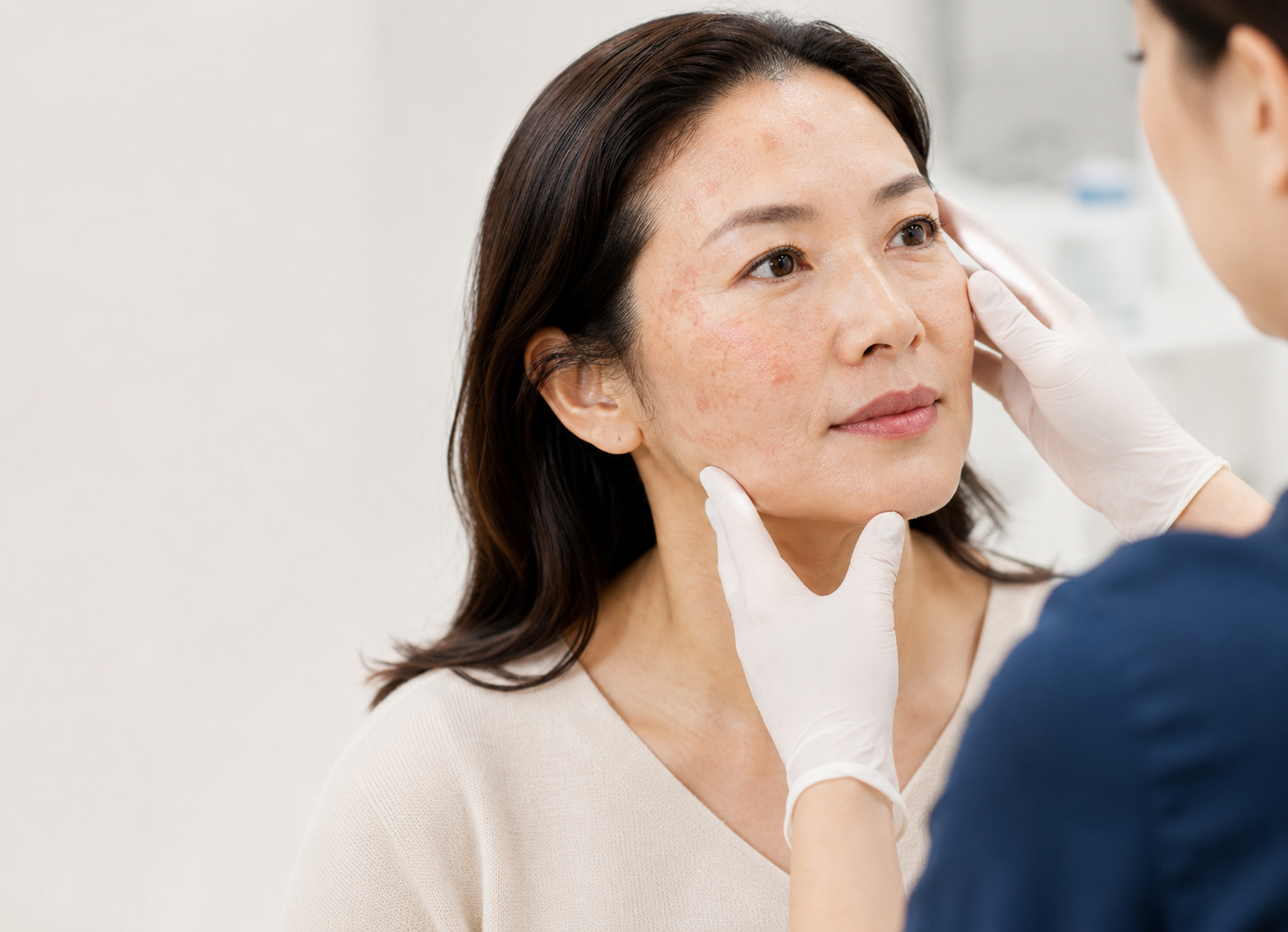
Actinic keratoses typically appear on areas of skin that have received the highest lifetime UV exposure: the face, scalp (particularly in those with thinning hair), ears, back of the hands, and forearms. In Singapore’s year-round sun, these lesions can develop gradually and often go unnoticed until they become symptomatic.
Common features include:
Rough, scaly, or sandpaper-like patches on sun-exposed skin
Lesions that may be skin-coloured, pink, red, or brown
Flat or slightly raised areas that feel dry or thickened to the touch
Occasional itching, burning, or tenderness at the site
A hard, wart-like surface in some cases
It is not uncommon for multiple lesions to be present simultaneously – a condition sometimes referred to as field change or field cancerisation, where a broader area of skin has been affected by UV damage at the cellular level.

Why Treatment Matters
Actinic keratosis occupies a clinically important position on the spectrum between sun-damaged skin and invasive skin cancer. Whilst not all lesions progress, it is not possible to reliably predict which will. Transformation into squamous cell carcinoma brings the risk of local tissue invasion and, in some cases, metastatic spread.
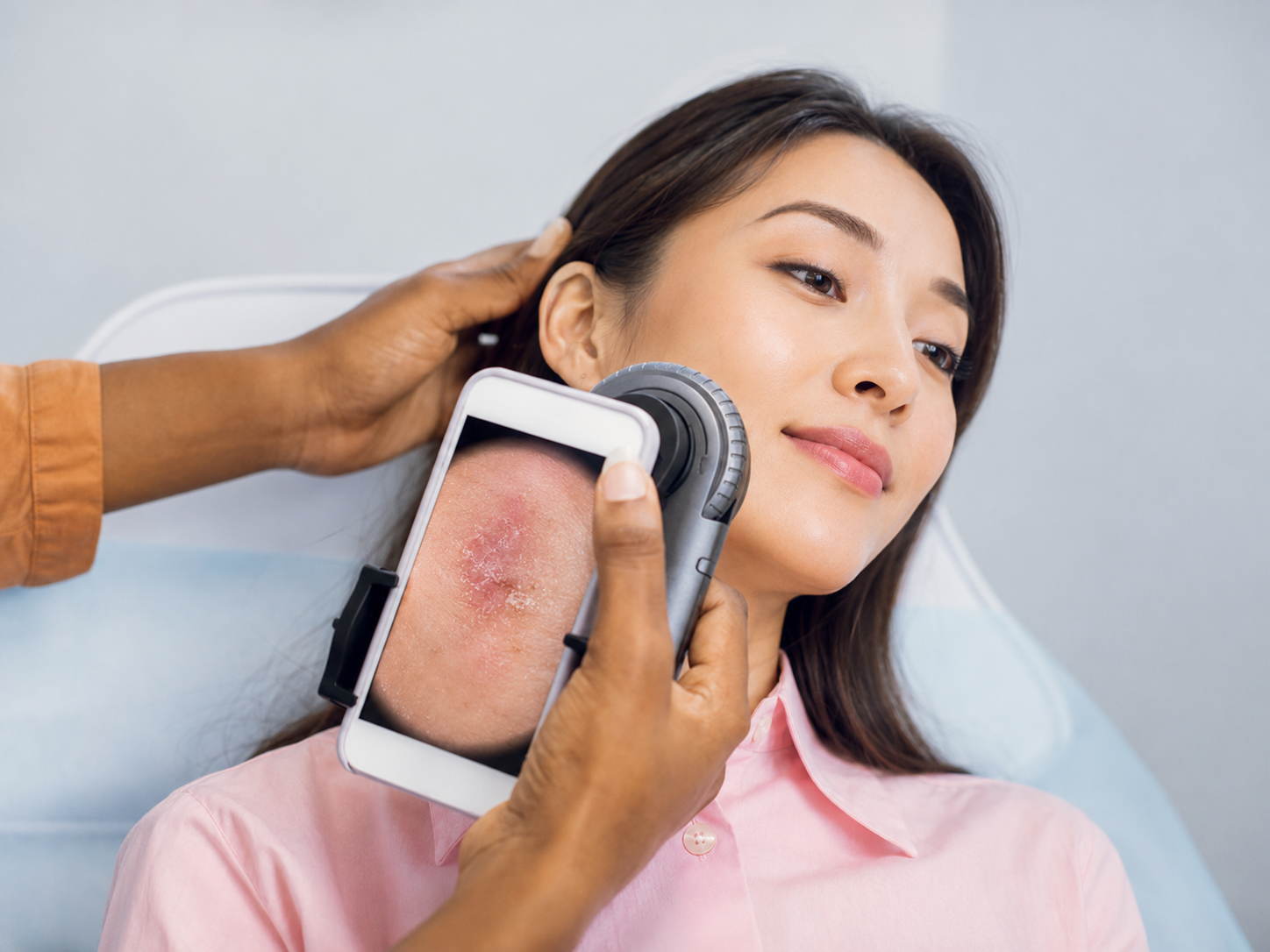
Specialist assessment allows for accurate diagnosis – distinguishing AK from other lesions that may appear similar – and ensures that the most appropriate treatment approach is selected.
Causes & Risk Factors
- Cumulative UV radiation exposure from sunlight or artificial UV sources
- Fair skin, light eyes, and limited capacity to tan
- Extended lifetime sun exposure, including occupational or recreational outdoor activity
- A history of previous actinic keratoses or skin cancer
- Immunosuppression, including from medications following organ transplantation
- Advancing age, as UV damage accumulates over decades

Treatment at Skincodes
Topical therapy is used when multiple lesions are present or when field change is identified. Prescription agents work by selectively targeting and eliminating abnormal keratinocytes across the affected area, and are applied over a defined treatment course.
Cryotherapy (liquid nitrogen) is a well-established in-clinic treatment for discrete, well-defined actinic keratoses. The controlled application of extreme cold destroys the abnormal cells, allowing healthy skin to regenerate in their place.
Photodynamic therapy (PDT) is particularly effective for field cancerisation and multiple lesions across a treatment area. A photosensitising agent is applied to the skin and activated by a specific wavelength of light, selectively destroying abnormal cells while sparing surrounding healthy tissue.
Following treatment, an ongoing sun protection protocol and periodic review are recommended to monitor for new lesion development.
Why Choose Specialist Surgical Care
Dermatological surgery performed by a specialist offers distinct advantages:
- Accurate pre-surgical diagnosis with dermoscopy. Lesions are assessed carefully as appearances can be
misleading without specialist evaluation - Appropriate margin assessment for cancer excisions based on lesion type and guidelines
- Histological analysis of all removed tissue to confirm diagnosis and clear margins
- Minimally invasive techniques selected to optimise cosmetic outcomes
- Structured follow-up and surveillance for ongoing skin health