
If you are asking why your pigmentation is not fading, the answer is usually that something keeps switching it back on. Melasma in particular is chronic, and stopping treatment or missing a trigger lets it return. This blog will walk you through the real reasons pigment lingers, and what actually keeps it away.
Why is my pigmentation not fading?
Pigmentation stalls for a handful of specific reasons, and most trace back to a trigger that is still active. If the pigment is melasma, it is chronic by nature and returns whenever treatment or protection lapses. If a hormonal trigger is switched on, the pigment cells keep being stimulated. If the pigment sits deep in the skin, it clears slowly no matter what you use. And if the original diagnosis was wrong, the treatment was never going to work.
The framing that helps is this: fading pigment is only half the job, and keeping it away is the other half. A treatment that clears a patch does nothing about the trigger that created it, so without addressing the cause, the pigment returns. The rest of this guide works through each reason and what holds the result.
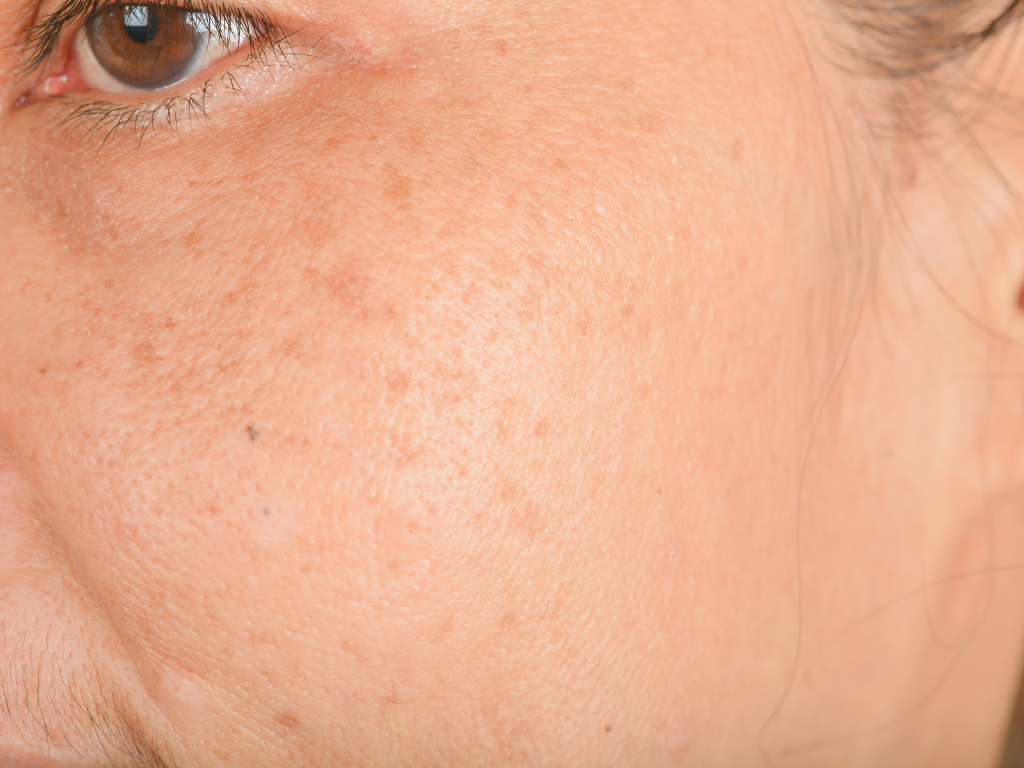
You stopped treatment too soon
The most common reason pigmentation returns is stopping treatment once it looks better. Melasma is chronic and relapsing, so clearance is a milestone, not the finish line. The relapse data is stark: without a maintenance regimen, a large majority of patients relapse within a couple of months of stopping, and pigmentation scores climb back toward baseline within about three months.
Maintenance changes that. In a controlled study, patients who continued a structured maintenance regimen after clearance stayed relapse-free far longer, with 53% still clear at six months against near-universal relapse without it. Maintenance usually means an intermittent tyrosinase-inhibiting or depigmenting agent, dialled down from the active treatment dose, plus daily photoprotection, used long-term rather than in bursts. The goal a dermatologist sets is durable control, not a one-time fix, which is why pigment that “won’t fade” often just needs the treatment continued at a maintenance level rather than abandoned.

A hormonal trigger is still switched on
Hormones are the trigger patients miss most, and they are one of the strongest drivers of melasma relapse. Oestrogen and progesterone stimulate melanocytes directly, which is why melasma is nicknamed the mask of pregnancy. The combined oral contraceptive pill, hormone replacement therapy, pregnancy, and even monthly cycle fluctuations can all reignite pigment that had settled.
The pattern is consistent enough to recognise. Someone completes a successful course, starts or restarts the pill, and watches the cheeks darken again within weeks, then blames the treatment rather than the hormone. This is why reviewing hormonal medication is a standard part of a proper melasma history. It does not mean you must stop contraception. It means the decision belongs with a doctor who can weigh the options, since some people clear noticeably once a hormonal trigger changes while others do better by tightening photoprotection and maintenance instead. For a plan that accounts for the hormonal driver, melasma treatment in Singapore starts with that full history.
The pigment is deeper than it looks
Some pigmentation is not failing to fade, it is simply deep, and deep pigment clears slowly. Pigment sitting in the surface layer of skin lightens in weeks to months, while pigment that has settled into the deeper dermis takes far longer and resists topical treatment, because creams reach the surface far more easily than the depth.
A dermatologist judges this with a Wood’s lamp, which distinguishes surface pigment from deep pigment and predicts how it will respond. If your pigment looks greyer or bluish rather than crisp brown, it is likely deep, and the realistic timeline is months rather than weeks. Mislabelling deep pigment as “stubborn” leads people to escalate to harsher treatment, which in reactive skin can worsen it rather than speed it up.
You are still getting sun exposure
Ultraviolet and visible light reactivate pigment daily, so inconsistent sun protection quietly undoes treatment. In a climate with year-round strong sun, even routine midday exposure keeps pigment switched on. This is the single habit that most often stalls otherwise-correct treatment. The full detail on why melasma gets worse in the sun, and the tinted, iron-oxide protection that helps, sits in its own guide.
A past laser may have set it back
Aggressive laser can worsen pigment rather than clear it, especially melasma and darker skin, and a bad prior treatment can be why your pigmentation looks worse than when you started. Heat and energy provoke reactive pigment cells, causing rebound. This is why a device that suits a stable sunspot can destabilise melasma in the same session, covered fully in why laser can make pigmentation worse.
When pigmentation that won’t fade needs a dermatologist
See a dermatologist when pigmentation has not moved despite months of effort, keeps returning, or is getting darker. The most common reason treatment fails is a wrong diagnosis, since the approach for melasma, deep pigment, and post-inflammatory marks all differ, and only a correct diagnosis with a Wood’s lamp and dermoscopy points to the right one.
There is a specific trap worth naming. Prolonged use of high-strength depigmenting agents, often bought without guidance, can paradoxically darken the skin, a reaction called exogenous ochronosis that is difficult to reverse. Pigment that keeps worsening despite lightening products is a reason to stop and get assessed rather than to push harder. A specialist confirms what the pigment is, then builds the clearance-plus-maintenance plan that keeps it away.
Conclusion
Stubborn pigmentation is rarely a treatment that failed. It is a chronic condition, usually melasma, whose triggers kept firing after the visible pigment cleared: hormones, visible light that ordinary sunscreen ignores, and the absence of maintenance. Control those, and the same skin that would not respond starts to hold.
If your pigmentation keeps returning despite your best efforts, book a pigmentation assessment with Dr Ang Sue-May at Skincodes to confirm the type, identify your triggers, and build a maintenance plan suited to year-round Singapore sun.
Frequently asked questions
Does melasma ever go away permanently?
Not usually. Melasma is a chronic condition, managed rather than cured, with recurrence exceeding 60% within a year when maintenance and sun protection stop. With ongoing photoprotection, intermittent maintenance treatment, and trigger control, most people keep it stable long-term. The goal a dermatologist sets is durable control, not a permanent one-time cure.
Why does my pigmentation keep coming back?
Because the trigger is still active. Melasma relapses when treatment stops, when a hormonal driver such as the pill or pregnancy is switched on, or when daily sun protection lapses. Around 72% of patients relapse within two months of stopping without a maintenance regimen. Keeping pigment away means treating the cause, not just the patch.
Can the contraceptive pill stop my pigmentation from fading?
Yes, it can. The combined oral contraceptive pill contains oestrogen, which stimulates the pigment cells behind melasma, so it can keep pigment active or trigger relapse. Stopping it is a decision to make with a doctor, not on your own. Some people improve once the hormonal trigger changes, while others manage well by strengthening photoprotection and maintenance.
How long does pigmentation take to fade?
It depends on depth. Surface pigment can lighten in weeks to a few months, while deeper dermal pigment takes many months and resists topical treatment. Melasma also relapses without maintenance, so “fading” and “staying faded” are different goals. A Wood’s lamp examination helps predict a realistic timeline for your specific pigment.
Why is my hyperpigmentation getting worse instead of better?
Common reasons are ongoing sun exposure, an active hormonal trigger, or over-treatment that irritates reactive skin and produces more pigment. Prolonged use of high-strength lightening products can also paradoxically darken skin. Pigment that worsens despite treatment is a reason to stop and see a dermatologist to confirm the diagnosis before continuing.