Home > Conditions > Hidradenitis Suppurativa
Hidradenitis Suppurativa Treatment Singapore
Hidradenitis Suppurativa Treatment Singapore
Hidradenitis suppurativa (HS) is a chronic, recurrent inflammatory skin condition affecting the hair follicles in areas where skin rubs together – the armpits, groin, buttocks, and under the breasts. It is characterised by painful nodules, abscesses, and sinus tract formation that can significantly impact quality of life. HS is frequently misdiagnosed as recurrent boils or infections, leading to delayed appropriate treatment.
Signs & Symptoms
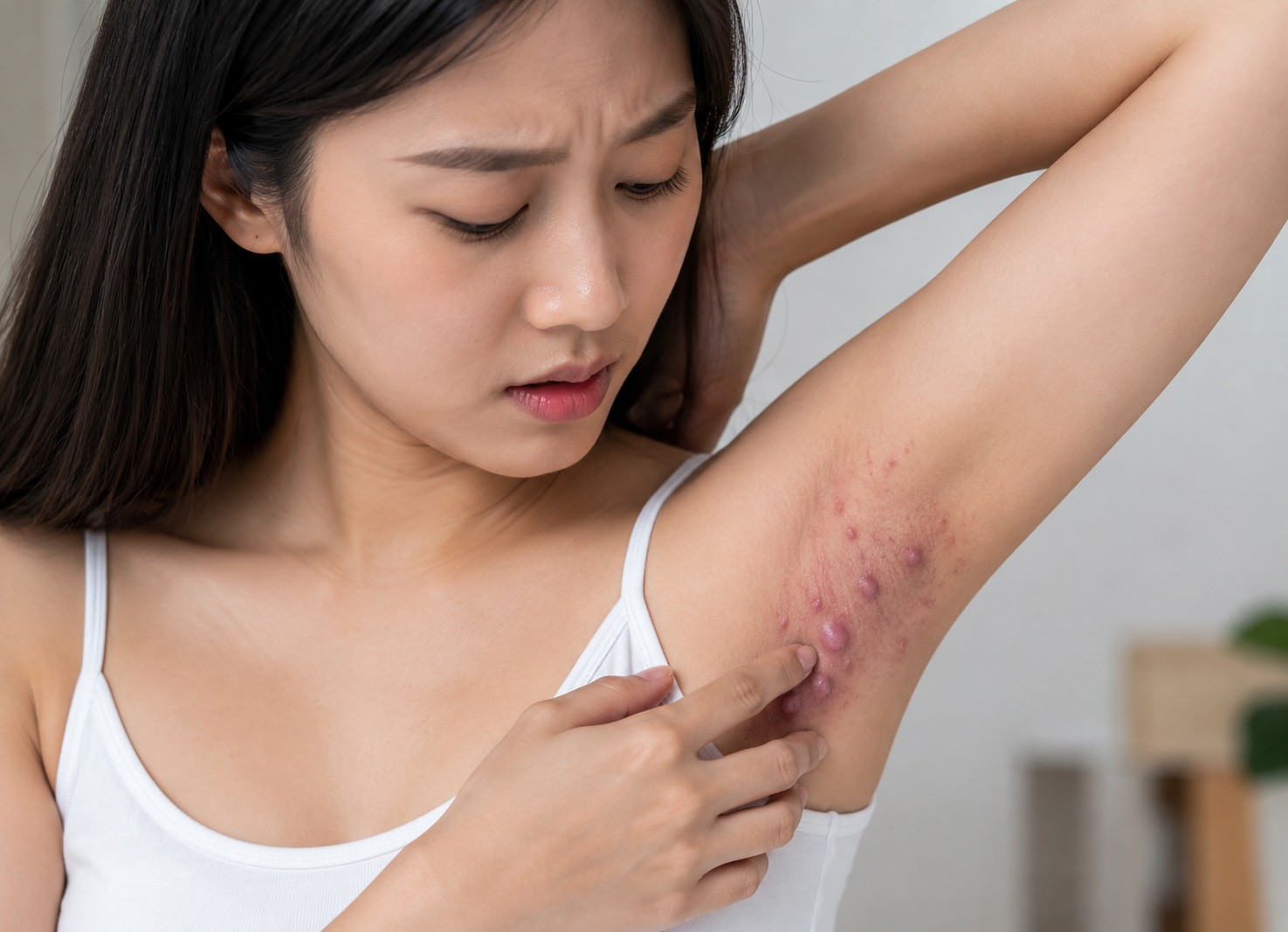
- Painful nodules – Tender, deep lumps beneath the skin that may persist for weeks
- Abscesses – Painful, swollen lesions that may drain purulent or bloody fluid
- Sinus tracts – Tunnels forming beneath the skin connecting affected areas
- Scarring – Rope-like or keloid scarring as lesions heal
- Comedones – Double-headed or multi-headed blackheads in affected areas
- Recurrent flares – Pattern of repeated episodes in the same locations
- Tunnel formation – Fistulas connecting lesions under the skin surface
- HS is classified into three stages (Hurley stages) based on severity, from single or multiple isolated abscesses without sinus tracts or scarring (Stage I), to recurrent abscesses with tract formation and scarring (Stage II), to diffuse or near-diffuse involvement with interconnected tracts and abscesses across entire areas (Stage III).
Causes & Contributing Factors
Follicular Occlusion
HS begins with occlusion of the hair follicle, leading to rupture and triggering an intense inflammatory response. This sets off a cycle of inflammation, infection, and healing that results in scarring and tract formation.
Immune Dysregulation
The condition involves dysregulation of the immune system, with elevated levels of inflammatory cytokines contributing to the chronic nature of the disease. This immune component explains why HS requires targeted therapy rather than simply treating secondary infections.

Risk Factors
Gender – Women are more commonly affected than men
Age – Typically begins after puberty, most common between 20-40 years
Family history – Genetic predisposition plays a significant role
Obesity – Higher body mass index is associated with increased severity
Smoking – Strong association with tobacco use
Hormonal factors – Fluctuations may influence disease activity
Metabolic syndrome – Associated with insulin resistance and other metabolic abnormalities
Triggers
Friction from clothing, heat, humidity, sweating, and mechanical irritation can trigger flares. In Singapore’s tropical climate, these environmental factors may be particularly challenging for HS management.

Why Specialist Care Matters
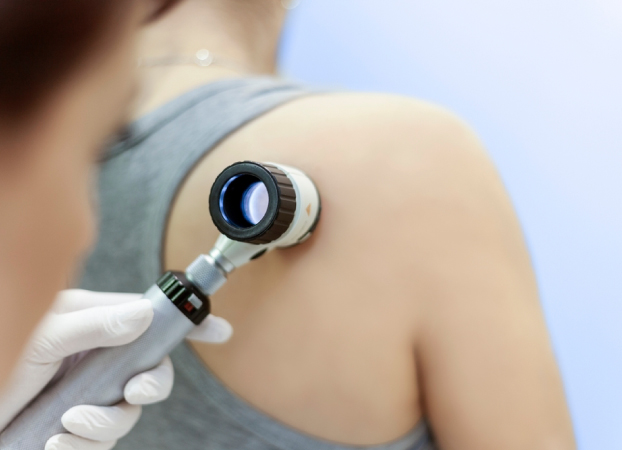
At Skincodes, Dr Ang Sue-May provides specialist assessment and comprehensive management for hidradenitis suppurativa, recognising that early intervention and ongoing care are essential to prevent progression and scarring.
Hidradenitis suppurativa is frequently misdiagnosed as recurrent boils, folliculitis, or simple infections. This leads to repeated courses of antibiotics without addressing the underlying inflammatory process. Delayed diagnosis allows progression to more severe stages with extensive scarring, which is much more difficult to treat.
Early specialist intervention can break the cycle of inflammation, prevent scarring, and significantly improve long-term outcomes and quality of life.
Treatment at Skincodes
Medical Management
Treatment is tailored to disease severity and stage, often involving a combination approach:
Topical therapies – Antiseptic washes, topical antibiotics, and anti-inflammatory preparations for mild disease
Oral antibiotics – Tetracyclines and other antibiotics with anti-inflammatory properties for moderate disease
Hormonal therapies – Anti-androgen treatments may be beneficial in selected patients
Systemic immunomodulators – For moderate to severe disease, medications that target specific inflammatory pathways
Biologic therapy – TNF-alpha inhibitors and other biologics for severe, treatment-resistant HS
Procedural Treatments
Intralesional corticosteroids – Injections into active nodules to reduce inflammation
Incision and drainage – For acute, painful abscesses
Deroofing – Surgical removal of sinus tract roofs to allow healing from within
Laser therapy – Laser hair removal to reduce follicular triggers
Surgical excision – For severe, localised disease unresponsive to medical therapy
Lifestyle and Supportive Care
Dr Ang provides guidance on managing triggers and supporting treatment:
Weight management – Where appropriate, weight loss can reduce disease severity
Smoking cessation – Critical for improving outcomes
Clothing recommendations – Loose, breathable fabrics to reduce friction
Hygiene practices – Appropriate cleansing without over-washing
Pain management strategies – Addressing the chronic pain associated with HS
Long-Term Management
Hidradenitis suppurativa is a chronic condition requiring ongoing care. Dr Ang works with patients to develop maintenance strategies that keep the disease under control, recognise early signs of flares, and adjust treatment as the condition evolves.
Why Choose Specialist Surgical Care
Dermatological surgery performed by a specialist offers distinct advantages:
- Accurate pre-surgical diagnosis with dermoscopy. Lesions are assessed carefully as appearances can be
misleading without specialist evaluation - Appropriate margin assessment for cancer excisions based on lesion type and guidelines
- Histological analysis of all removed tissue to confirm diagnosis and clear margins
- Minimally invasive techniques selected to optimise cosmetic outcomes
- Structured follow-up and surveillance for ongoing skin health