Home > Conditions > Acne & Acne Scarring
Acne & Acne Scarring Treatment Singapore
Acne & Acne Scarring Treatment Singapore
Acne is one of the most common skin conditions seen in Singapore, yet it remains one of the most undertreated. For many people, it begins in adolescence and persists well into adulthood – affecting confidence, comfort, and quality of life long after the breakouts themselves have settled.
At Skincodes, we approach acne as the medical condition it is, not simply a cosmetic concern. Dr Ang Sue-May provides comprehensive management for active acne and its long-term effects, with treatment plans tailored to your acne type, severity, skin type, and goals.
Understanding Acne
What Is Acne?
Acne develops when hair follicles become blocked with sebum and dead skin cells, creating an environment in which bacteria can proliferate and trigger inflammation. It presents across a spectrum of severity, and understanding which type you have is the first step toward effective management.
Acne is a multifactorial condition. The primary drivers include excess sebum production, proliferation of *Cutibacterium acnes* bacteria, follicular hyperkeratinisation, and inflammation. These processes are influenced by hormones, genetics, lifestyle, and environment.
Types of Acne
Comedonal acne involves non-inflamed lesions – whiteheads and blackheads – that form when pores become congested without significant bacterial involvement.
Inflammatory acne produces red papules and pustules, while cystic acne presents as deep, painful nodules that sit beneath the skin’s surface and carry a higher risk of scarring.
Hormonal acne tends to cluster along the lower face and jawline, often flaring in response to the menstrual cycle, androgen levels, or conditions such as polycystic ovarian syndrome.
Acne Scarring
Acne scarring develops when the skin’s healing response is disrupted by deep or prolonged inflammation. This is a structural change to skin tissue that requires targeted, evidence-based treatment, rather than a superficial cosmetic concern.
Many patients present with a combination of scar types, which is why assessment at a specialist level is important before any treatment plan is drawn up.
Types of Acne Scars
Ice pick scars – narrow, deep channels that extend into the dermis
Boxcar scars – broader depressions with defined edges
Rolling scars – wave-like undulations caused by fibrous bands tethering the skin
Post-inflammatory hyperpigmentation (PIH) – flat, dark marks left after inflammation resolves; not true scarring, but a common and treatable sequela
Signs & Symptoms
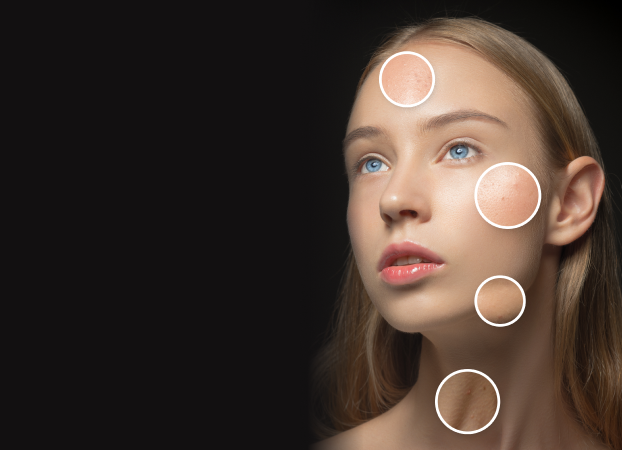
Blackheads and whiteheads across the nose, chin, and forehead
Inflamed red papules or pus-filled pustules
Deep, tender cysts or nodules, particularly along the jawline and cheeks
Recurring breakouts that do not respond adequately to over-the-counter products
Persistent dark marks or textural changes following past breakouts
Pitted or indented scarring across the cheeks and temples
Causes & Contributing Factors
Hormones
Androgens stimulate sebaceous glands, which is why acne frequently appears or worsens at puberty, around the menstrual cycle, during pregnancy, or with hormonal contraceptive changes.
Genetics
A family history of acne increases susceptibility, and may also influence the degree of scarring that occurs.
Lifestyle and Environment
Humidity – a constant in Singapore’s climate – can exacerbate congestion. Certain skincare and cosmetic products, dietary factors, and high psychological stress have also been associated with flare-ups.
Medications
Some drugs, including corticosteroids and certain hormonal therapies, can trigger or worsen acne.
Why Specialist Assessment Matters
Acne varies considerably between individuals, and treatments must be matched to the specific type. What clears comedonal acne may be insufficient for cystic acne. What helps active breakouts will not address established scarring. Without accurate diagnosis, treatment is guesswork, and guesswork wastes time and money while the condition potentially worsens.
At Skincodes, Dr Ang takes an integrative approach – addressing active breakouts and preventing future ones, while also managing the scarring that may have already developed.

Treatment at Skincodes
Managing Active Acne
For mild to moderate acne, treatment typically begins with prescription-grade topicals – including retinoids, benzoyl peroxide, or combination formulations – tailored to your skin’s tolerance and needs. Oral medications such as antibiotics or, where indicated, isotretinoin or hormonal agents may be incorporated for more persistent or severe cases.
In-clinic treatments for active acne may include:
Chemical peels – to improve cell turnover, decongest pores, and reduce surface inflammation
Comedone extraction – performed under appropriate conditions to safely clear congested lesions
Targeted light therapy – to reduce bacterial load and calm active inflammation
Treating Acne Scarring
Scarring treatment is always staged, and the right combination of modalities depends on scar type, depth, and your skin’s healing characteristics.
- DEKA TORO Laser (785nm picosecond with 1064nm and 532nm nanosecond wavelengths) – combines picosecond and nanosecond delivery to improve pigmented scarring and stimulate collagen remodelling. Particularly effective for post-inflammatory hyperpigmentation and superficial textural irregularities.
- Fractional CO₂ Laser – an ablative resurfacing treatment that targets deeper atrophic scars by stimulating significant dermal collagen production
- Subcision with Dermal Fillers – subcision releases the fibrous tethering beneath rolling scars, while dermal fillers provide immediate volumisation of depressed areas, improving contour and texture
- Radiofrequency Microneedling – combines controlled micro-injuries with radiofrequency energy to stimulate deep collagen and elastin remodelling, particularly effective for atrophic and rolling scars
- Chemical Peels – selected peels at appropriate concentrations can improve surface texture and address post-inflammatory hyperpigmentation alongside other modalities
What to Expect
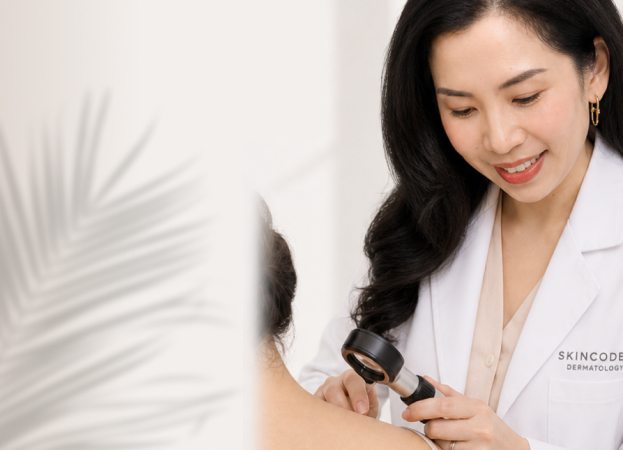
Dr Ang will begin with a thorough assessment of your scar types before recommending a tailored protocol. Treatments are typically staged across multiple sessions.
Downtime varies by modality: laser resurfacing and subcision involve a recovery period of several days to two weeks, while lighter peels and radiofrequency microneedling carry minimal downtime.
Results develop gradually as the skin rebuilds collagen. Most patients see meaningful improvement over three to six months of treatment. Because scar treatment requires a sustained approach, Dr Ang will work with you to develop a treatment sequence that is realistic, well-paced, and aligned with your skin’s response at each stage.
Why Choose Specialist Surgical Care
Dermatological surgery performed by a specialist offers distinct advantages:
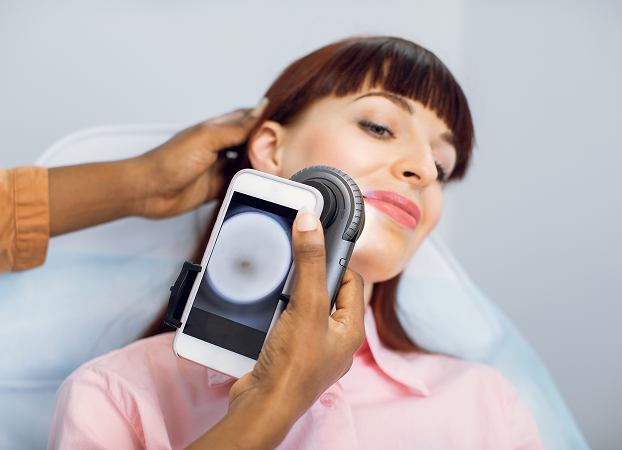
- Accurate pre-surgical diagnosis with dermoscopy. Lesions are assessed carefully as appearances can be
misleading without specialist evaluation - Appropriate margin assessment for cancer excisions based on lesion type and guidelines
- Histological analysis of all removed tissue to confirm diagnosis and clear margins
- Minimally invasive techniques selected to optimise cosmetic outcomes
- Structured follow-up and surveillance for ongoing skin health