Skin cancer excision is the surgical removal of a cancerous or suspected cancerous skin lesion. For many types of skin cancer, surgical excision is the primary and most effective form of treatment, offering the best chance of complete removal and long-term clearance.
Surgery is typically indicated following a confirmed or suspected diagnosis of skin cancer – either through clinical and dermoscopic assessment, or after a biopsy result confirms malignancy. Dr Ang will discuss all findings with you before any procedure is planned.
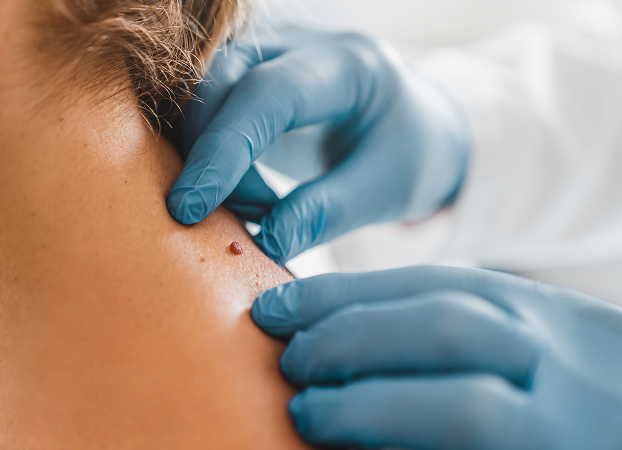
SCC arises from the outer layers of the skin and carries a greater risk of spread than BCC, particularly in immunocompromised patients or those with advanced lesions. Early surgical excision is the preferred management approach.
Melanoma is the most serious form of skin cancer. Where melanoma is identified or suspected, surgical excision – often with wider margins – is performed promptly. Management may involve coordination with other specialists depending on the stage at diagnosis.
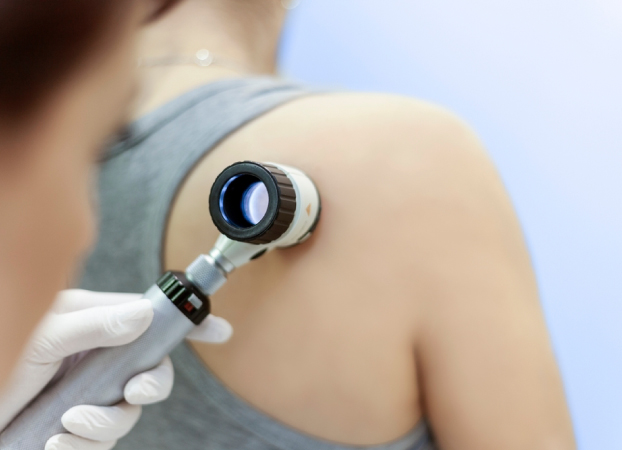
Your care begins with a screening assessment. Dr Ang will examine any concerning mole or lesion using dermoscopy, and where appropriate, arrange a biopsy to confirm the diagnosis before any treatment is recommended.
Excisions at Skincodes are performed under local anaesthetic in-clinic. The procedure involves removing the cancerous lesion along with a measured margin of surrounding healthy tissue to improve the likelihood of clear margins. The wound is then closed with sutures. The excised tissue is sent for histopathological analysis to confirm that the lesion has been fully removed.
Most patients are screened and treated within a single clinic visit. Dr Ang will explain the process in full and address any questions you have before you proceed.

Recovery from skin cancer excision is generally straightforward for most patients. You will receive detailed wound care instructions, and sutures are typically removed within one to two weeks depending on the site of the excision.
Histology results are reviewed and communicated to you promptly. Depending on the findings, Dr Ang may recommend further surgery, additional monitoring, or referral for adjunct treatment. Long-term follow-up is an important part of skin cancer care, and Dr Ang will guide you on an appropriate surveillance plan.
Dermatological surgery performed by a specialist offers distinct advantages: